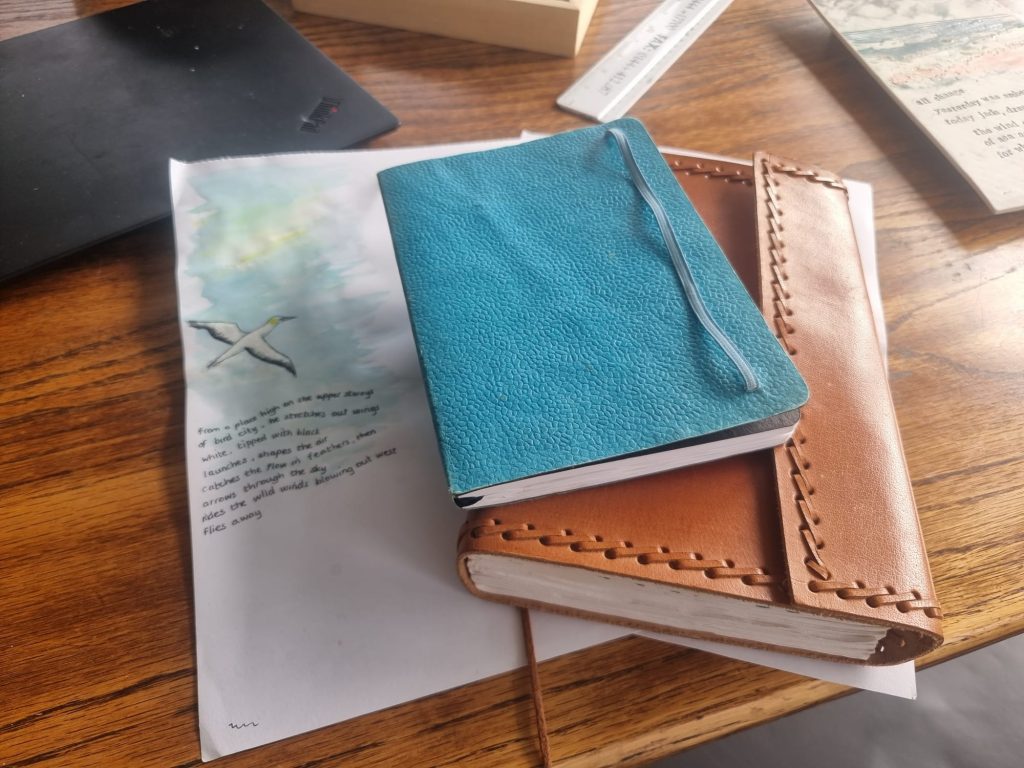
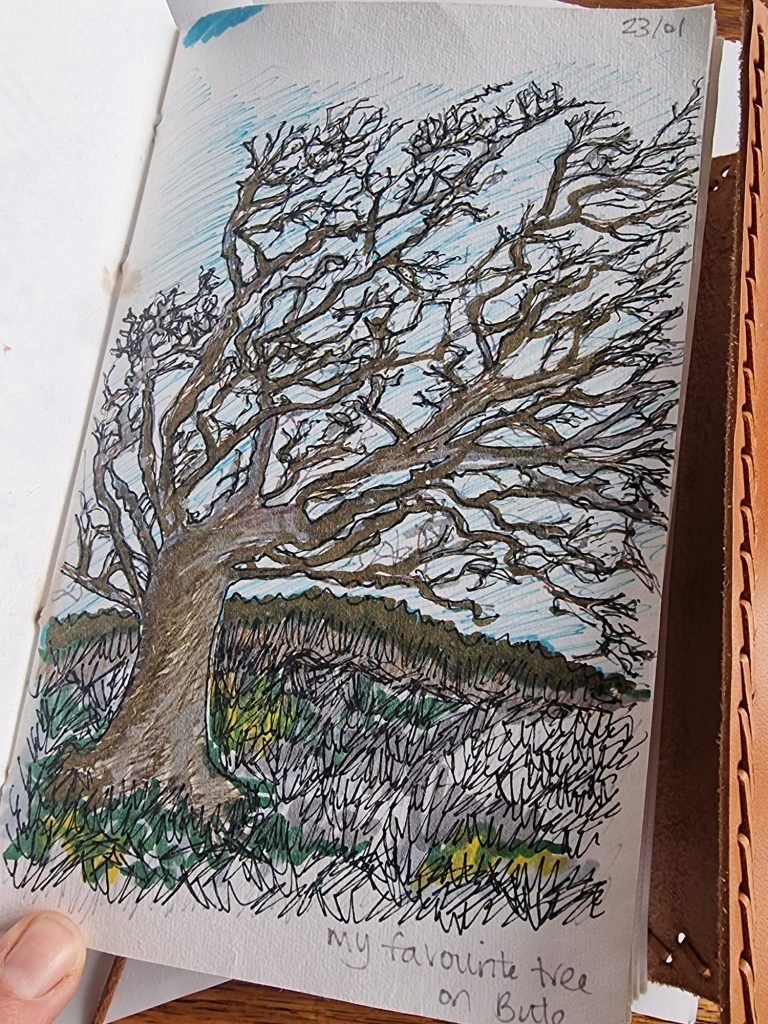
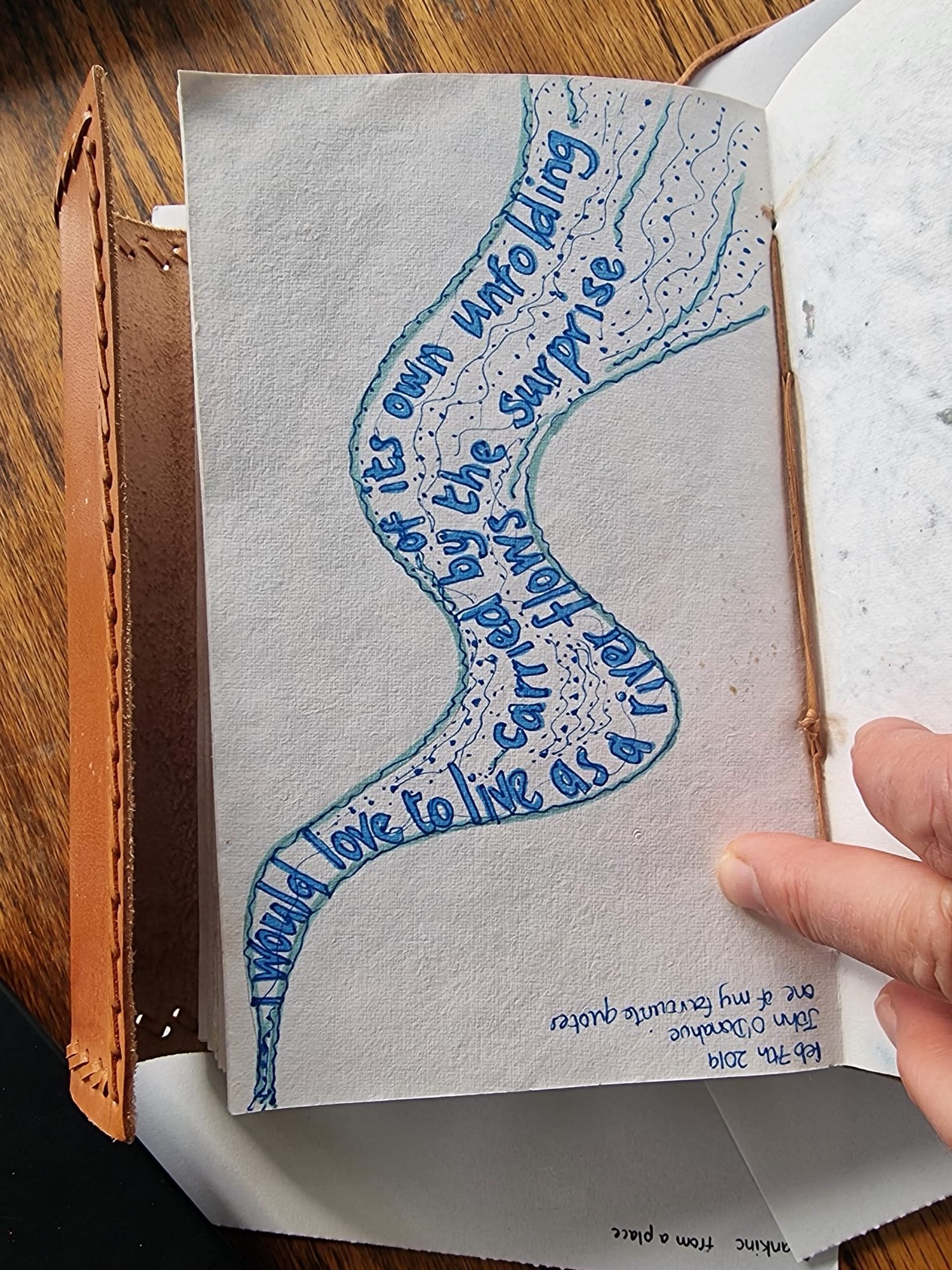
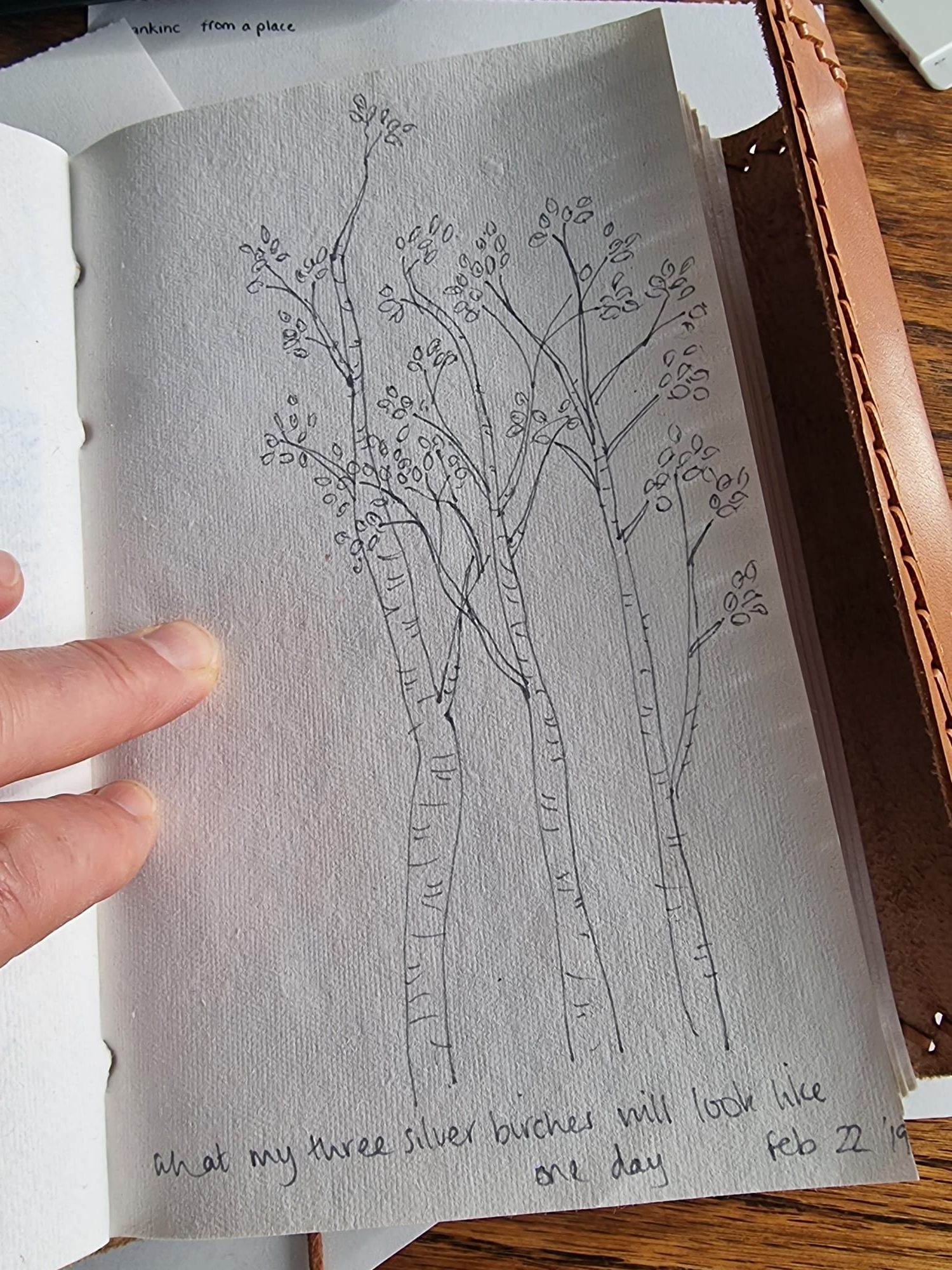
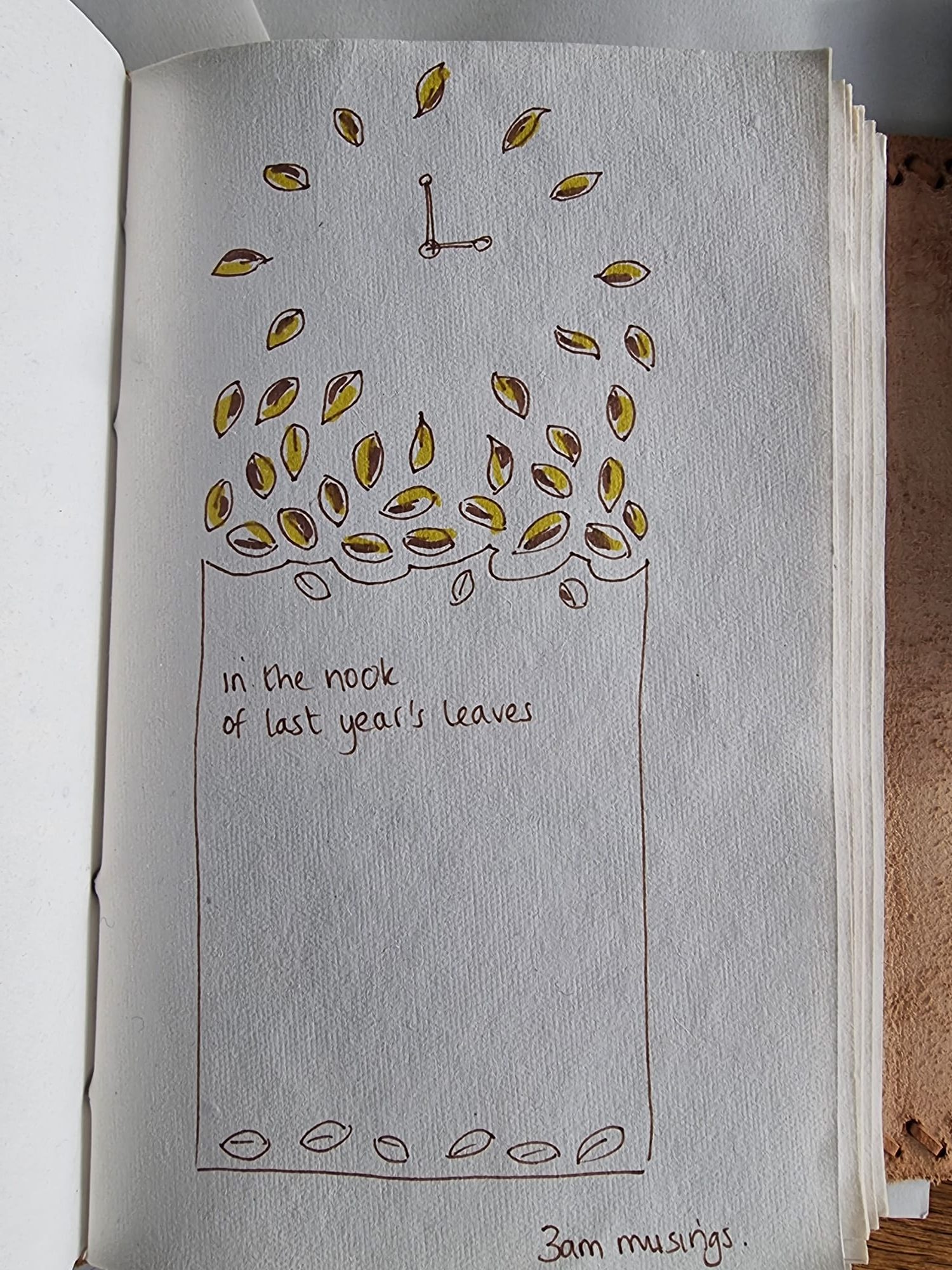
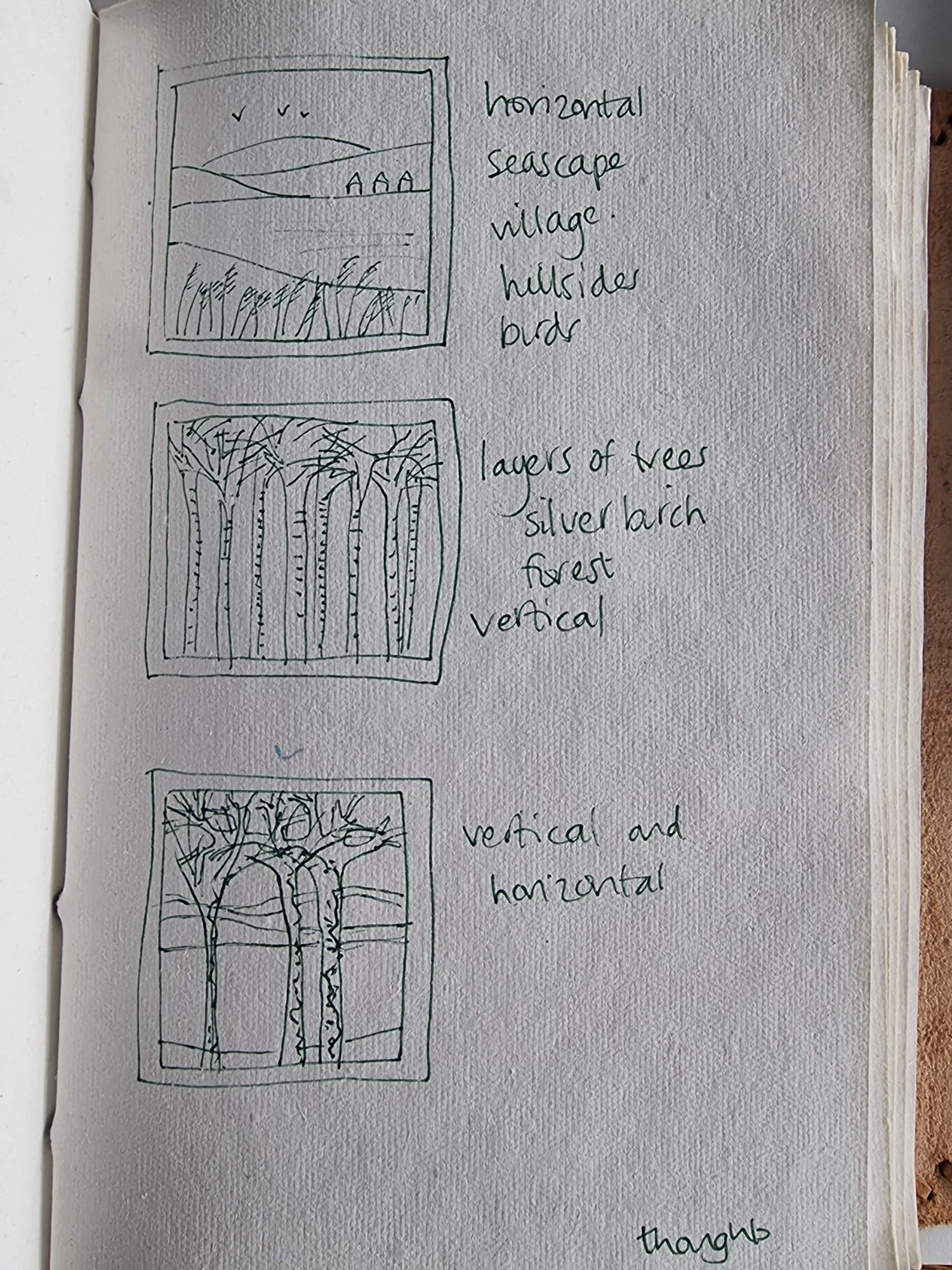
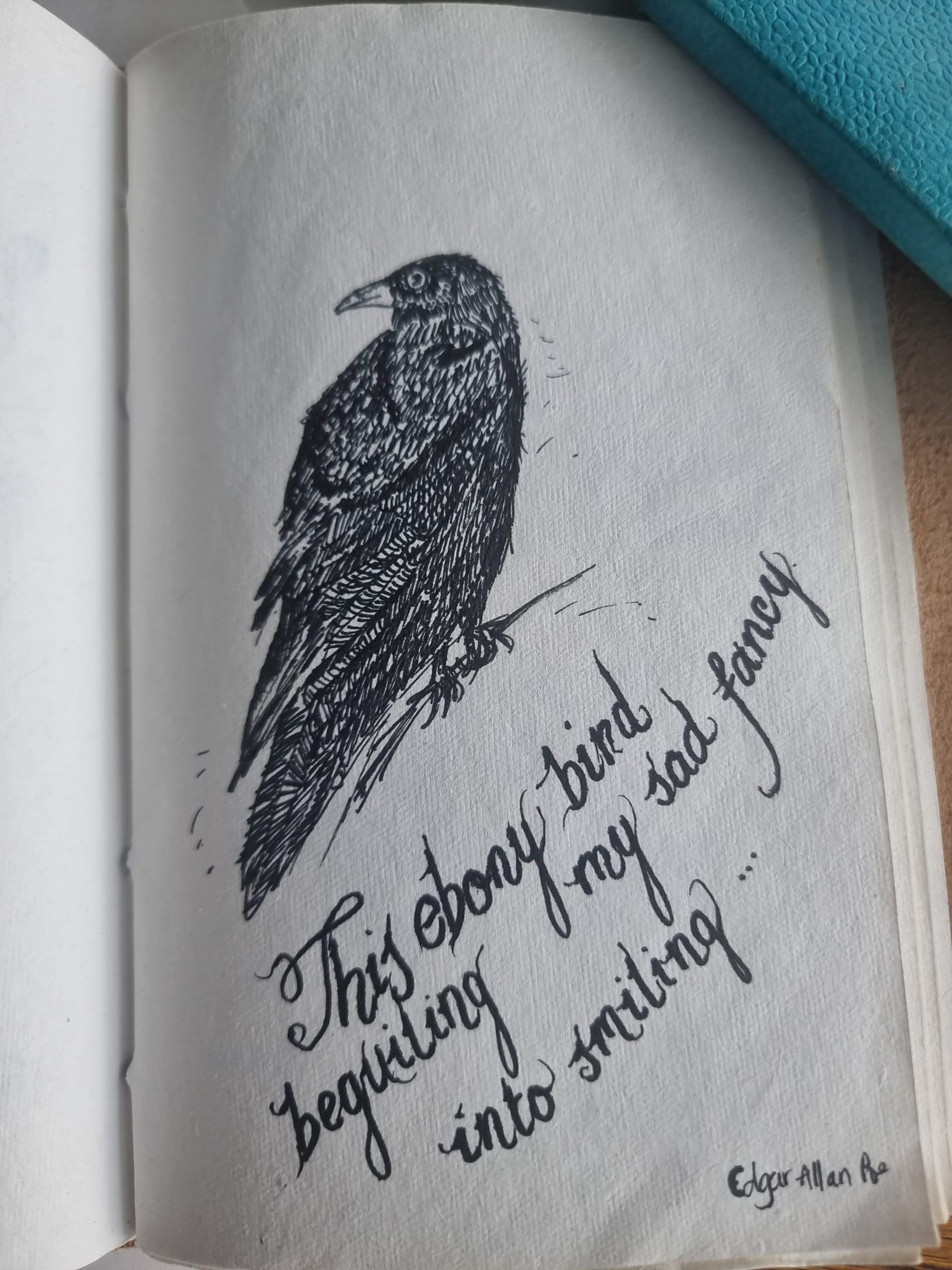
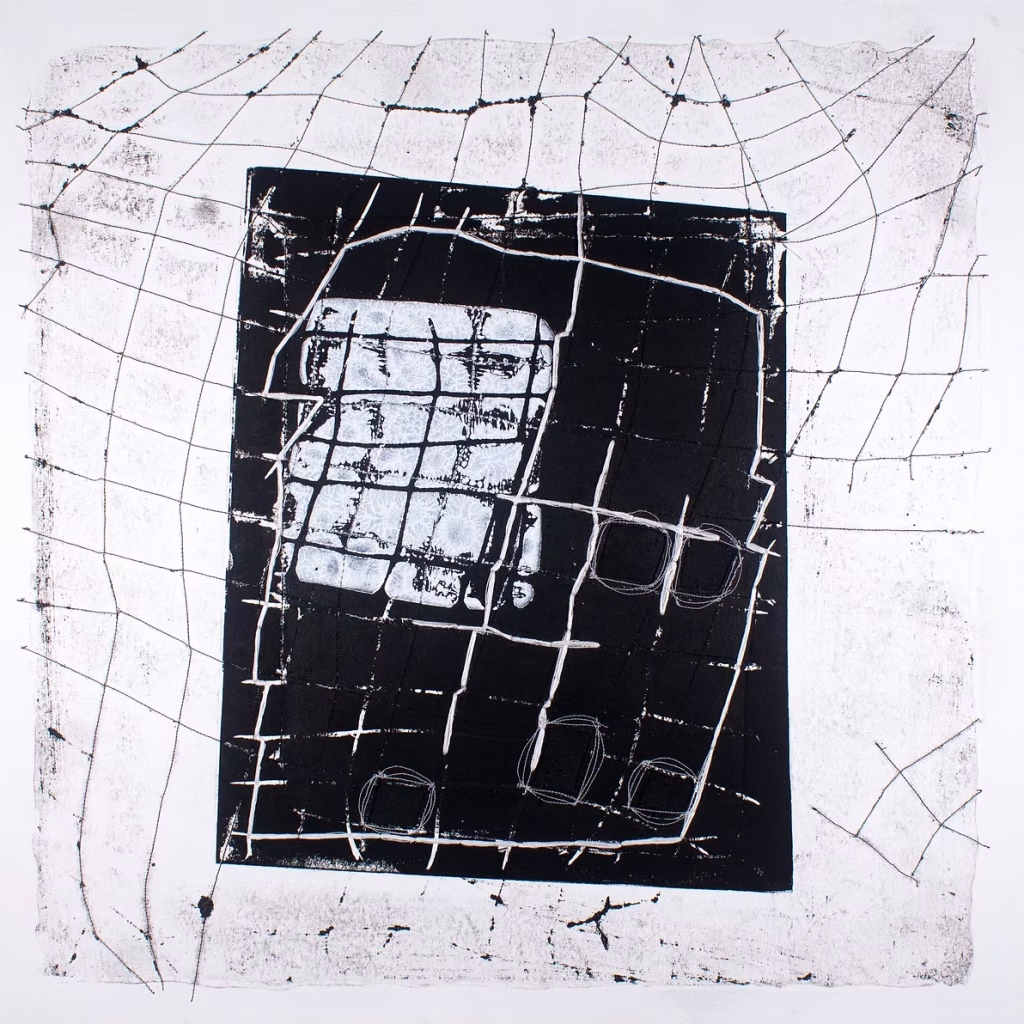
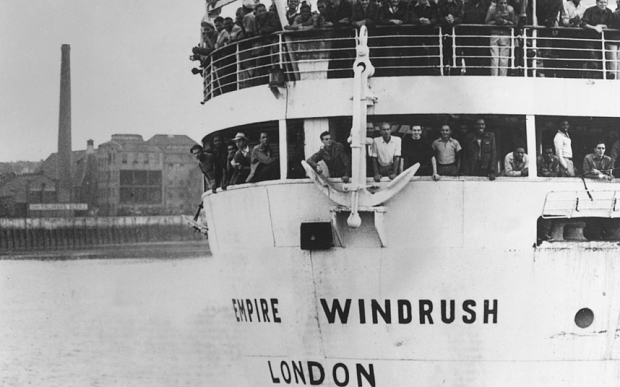
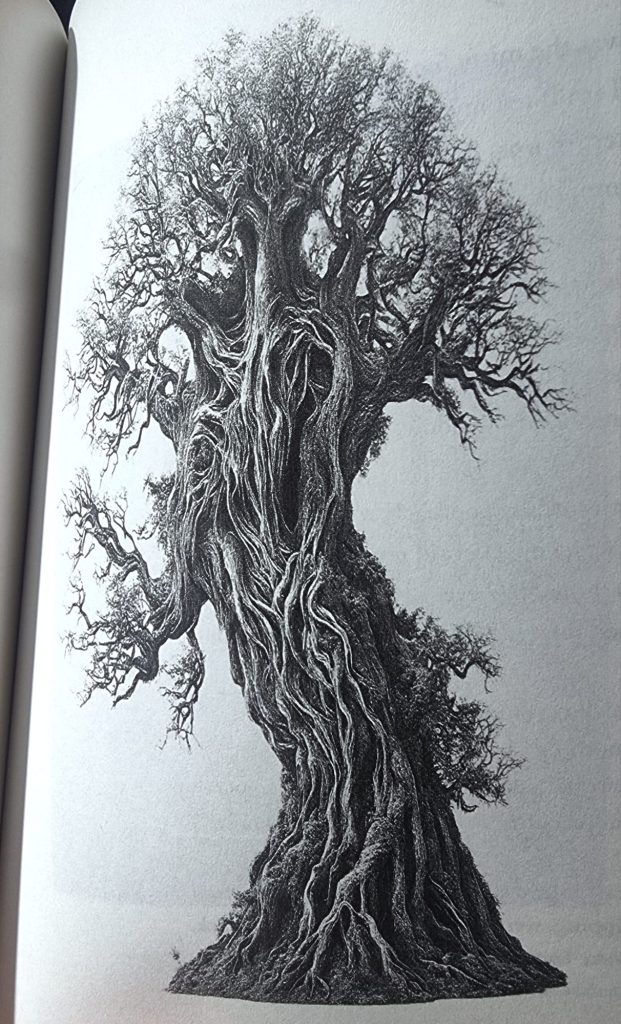
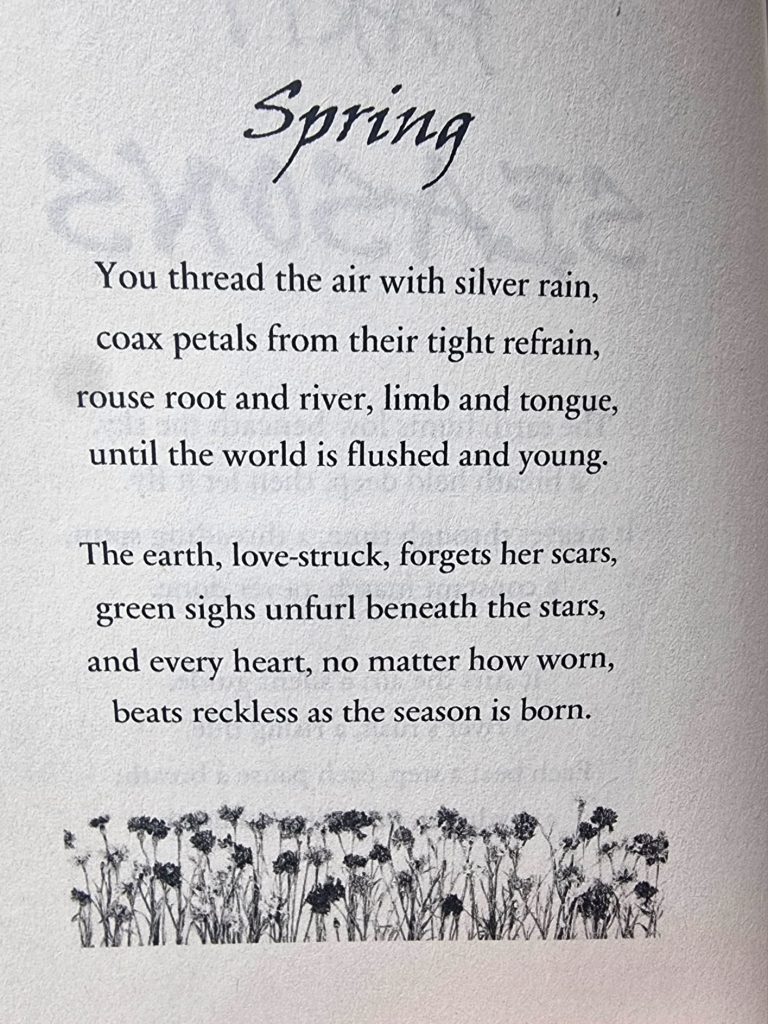
I love artist’s sketchbooks. I often think you learn more about the journey towards art – the ideas, the exploration, the mistakes and the little fragments of beauty -from sketchbooks than you do from the final pieces. Each sketch is a moment of pondering, a little spiritual room into which we are invited.
Yesterday I persuaded Michaela, my wife, to let me take a look in some of her sketch books. We work together, so you would think we have no artistic secrets, but I had not seen many of these images. We are very different in our approach to art, she and I. The idea-plates that spin in my mind constantly pour out in words and poems. She thinks with a pen (or clay) in her hand.
Like many artists, this art does not come from a place of confidence. Michaela carries that same self doubt and hatsh inner critic that most artists do -perhaps even more so. There is no doubt in my mind that there is beauty here – that these little sketches are moments of divine connection.
We have spoken before about something called theopoetics, which might be defined like this;
Theopoetics is what happens when art/form/style comes into intersection with spirituality, with a focus on community, change and embodiment.
It is about seeking to make the practice of poesis – the meaning making – one of the central parts of life.
It is not new. It is not ‘another way of doing god-stuff’ – rather it points to things that have always happened and always been part of religious practice.
Increasingly I talk to people who describe themselves as avoiding consuming news of the kind that comes to us through the media. Lots of strategies are employed, from screen switch-offs to choosing entertainment sources that focus on something kinder and more affirming. My own version of this is to skim-read my news outlet of choice, and to limit my exposure to those things that seem corrosive. I hear a version of this thought constantly…
It is all so bleak. Things just seem to be getting worse and worse. It all seems so hopeless.
In this place of national/international despair, hope (in the words of this song by Foy Vance) can deal the hardest blows.
… If there's one thing that I know
It is the two shades of hope
One, the enlightening soul
And the other is more like a hangman's rope
Well it's true, you may reap what you sow
But note that despair is the all-time low
Baby, hope deals the hardest blows

… There was once someone I loved
Whose heart overflowed his cup
And his shoes got covered in blood
Oh, but he never knew 'cause he only looked up
Well he was in trouble and so
Who'd known pain more than most, I know
Yet it was hope that dealt the hardest blows

… And the girl that holds the hand
Of her somewhat distant man
Though she did everything she can
Still his heart set sail for distant lands
And she wonders, sometimes, if he knows
How she feels like a trampled rose
Baby, hope deals the hardest blows

… Well, some people think their sin
Caused the cancer that's eating into them
And the only way that they can win
Is by the healing of somebody's hands on their skin and prayin'
But when the cancer does not go
Baby, hope dealt the hardest blows

… And now all these truths are so
With foundations below them
They were dug out in a winter's cold
When the world stole our young and preyed on the old
Well, hope deals in the hardest blows
Yet I cannot help myself but hope
… I guess that's why love hurts
And heartache stings
And despair is never worse
Then the despair that death brings
But hope deals the hardest blows
Dear, the hardest
Hope deals the hardest blows
To see this performance, to a packed hall in Belfast, a place in which so much hope for peace was thwarted for so long, is to remember that hope has history.
Our parents parents lived through world wars. Their parents knew faced a world of injustice and inequality beyond what we can imagine.
Go back again, we come into the ways of the British Empire, the colonial injustices that still stain our world hundreds of years later. The Industriual wealth machines that made this world locked British people off the land, smashed communities and reshaped them as servile masses drafted into mills and foundaries.
But there were always those who resisted, who cried out into the hopelessness of their situations. Most of these voices were lost, but we see traces surviving not just in history books (despite the best efforts to obscure them) but also in art, in song, in poetry.
Here is just one of these remnants- the Chartist’s Anthem. The Chartists were a 19th-century British working-class movement (1838–1848) campaigning for political democracy and rights. Driven by discontent with the 1832 Reform Act, they demanded six key reforms in the People’s Charter, including universal (male only at this stage!) suffrage, secret ballots, and abolition of property qualifications for MPs. They were brutally suppressed. This song was written by Ben Boucher (1769-1851) a Dudley miner who turned to making a living by writing and selleing his poems at a penny each in the streets. He died in Dudley workhouse.
A hundred years, a thousand years, We're marching on the road The going isn't easy Yet we've got a heavy load, We've got a heavy load
The way is blind with blood and sweat, And death sings in our ears But time is marching on our side, We will defeat the years, We will defeat the years
We men of bone of shrunken shank, Our only treasure dearth, Women who carry at their breast Heirs to the hungry earth, Heirs to the hungry earth
Speak with one voice, we march we rest, And march again upon the years Sons of our sons are listening, To hear the Chartist cheers Oh, to hear the Chartists cheers
For those who don’t close their eyes to the pain of the world.
Who don’t turn away.
For those who sometimes feel like it’s more than they can bear.
Hear our prayers.
We are entering the end stage of our lent journey, and it seems appropriate to ponder again that most recognisable Christian symbol of the cross.
What does it mean to you now? Perhaps the meaning of the cross has shifted and changed, as faith itself shifts and changes. Like all powerful symbols, it has been employed and used in ways that seem to bear no relation Jesus. There is some evidence that it was not used as a symbol at all in the early church and was only used in public worship from around the fourth C BCE. How should we use it now? Might this execution device become once more a symbol of liberation and healing?
There is that story of Simon of Cyrene – an African man – being asked to carry the cross that Jesus no longer could carry.
Why him?
Why me?
Cross
They scratched it on the walls of caves Formed it from pure gold Festooned it with trinkets Marched it towards crusader carnage Carved it in flesh There it is in neon against the city sky Worn at the neck of a Nazi soldier Standing in serried ranks Over massed graves Burning in the black Southern night Tattooed on the chest of hooded men We should all know better
The shape of it was made for murder For pinning dissent like a butterfly It points like a ragged sign towards disgrace It is a rough pole to fly flesh-flags as warning; Conform, or this cross is for made for you
The Proost project is a pursuit of three core elements- deeper spirituality, art as spiritual exploration, and last but most certainly not least, the deep cry for justice. We can read the sweep of history as a story of the rise of innumerable empires, in which the rich and powerful oppress and exploit. At first these empres were mostly local, but soon they went global. Sometimes it seems that any resistance is futile- as soon as one empire falls, another will rise to take its place.
But here, in this space we refuse to believe that we can not be better. We will seek the upside-down logic of the Kingdom of God (even though God could not have been called king until we invented kings!)
How does the story we have inherited through our Christian tradition help us on that quest? Arguably, this story comes to us having been shaped and packaged by Empire in such a way that the revolutionary justice of God has been obscured. How much then do we need prophets who help us see through into the heart of it all?
For this reason, today we are going to re-post the text of a Centre for Action and Contemplation daily meditation written by Brian McLaren. There is deep truth here of the sort that might set us free.
Brian McLaren considers the stories of empire and exile that appear in the Bible and continue to this day:
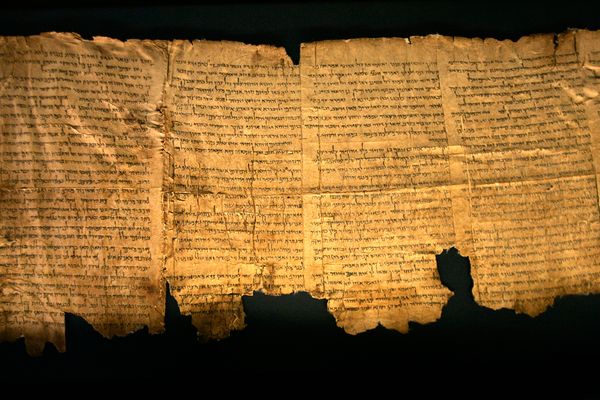
If you ask Jewish people what the central story of their Bible is, they will usually say the Exodus, the story of their refugee ancestors being enslaved by the rulers of the Egyptian Empire, until God liberated them and led them to freedom. Although historians and archeologists argue about how much of the story is historical and how much is literarily enhanced or fictional, biblical scholars date the story somewhere between 1500 and 1200 BCE.
Sadly, the non-fictional enslavement and mistreatment of refugees has happened too many times and to too many people over the centuries.
If you ask what the second most important biblical story in the Hebrew Scriptures is, many will say the Exile, when large numbers of Jewish people were taken to Babylon where they were made to serve the elites of the Babylonian Empire.
And sadly, mass deportation and domination of Indigenous peoples have happened too many times and to too many people over the centuries: There have been too many Trails of Tears, too many Nakbas, too many pogroms and internment camps over the centuries, right up until today.
Together, Exodus and Exile remind us that the same empires that produce luxuries for those at the top of the social and economic pyramid also produce great suffering for those at the bottom. And just as the gods of the emperors are portrayed as legitimizing their rule, for those at the bottom, God is seen as their only hope for liberation. In fact, I often propose that the English words liberate and liberation would be better translations for the Hebrew and Greek words commonly translated as save or salvation.
Many of the psalms are intense poems of pain from the Exile period. One of the best known is Psalm 137. You feel the pathos as the Judean exiles feel they have been dehumanized, turned into entertainment for their oppressors:
By the rivers of Babylon— there we sat down, and there we wept when we remembered Zion. On the willows there we hung up our harps. For there our captors asked us for songs, and our tormentors asked for mirth, saying, “Sing us one of the songs of Zion!” How could we sing the Lord’s song in a foreign land? If I forget you, O Jerusalem, let my right hand wither! Let my tongue cling to the roof of my mouth, if I do not remember you, if I do not set Jerusalem above my highest joy. (Psalm 137:1–6)
In this psalm, the refugees in exile refuse to sing. They refuse to sacrifice their own dignity and humanity for the entertainment of their oppressor. Their pain echoes through the centuries and asks us: Where are people experiencing exile today? Dare we humanize them and feel their pain? Dare we take their story seriously—even if doing so offends the elites of today’s empires of violence and domination?
Spring is finally here, and what better time to dip into Scott Gwins book, The Forests Remember. (You can get it here.) His writing is saturated with deep connectedness to wild places, and the book also contains many of his drawings and photographs (like the one above.) There is a mystical, lyrical, quality to his work which seems to emerge from that same tradition as the great romantic traditions of Wordsworth, Shelley and Keats.
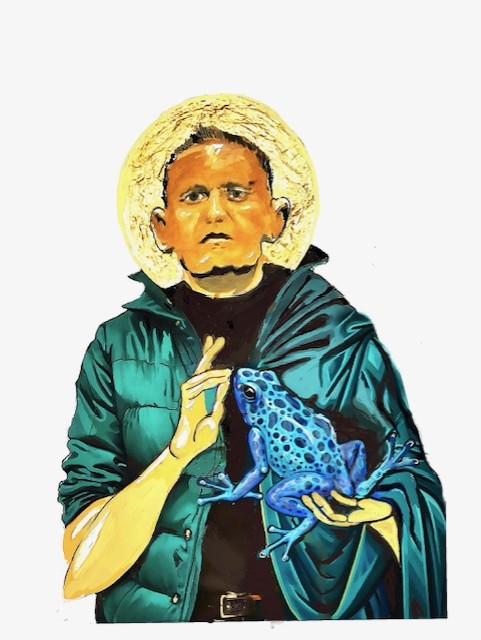
Today we are delighted to share a piece of art made by Julie Barber. It is rather wonderful in its creative exploration of spirituality and meaning through art.
Here is her description of the piece.
I’ve just been very moved by the bravery of Alexei Navalny , going back to Russia knowing what risk he took but going back any way in an attempt to challenge the corrupt regime His death coming as a result of tree frog poison . What he did felt very Christlike and loving, although I don’t know whether he he had a formal faith. I suppose I see him as a modern day saint. I recently attended a talk in Icon painting and it got me thinking about what a modern day icon might look like and this is what I came up with
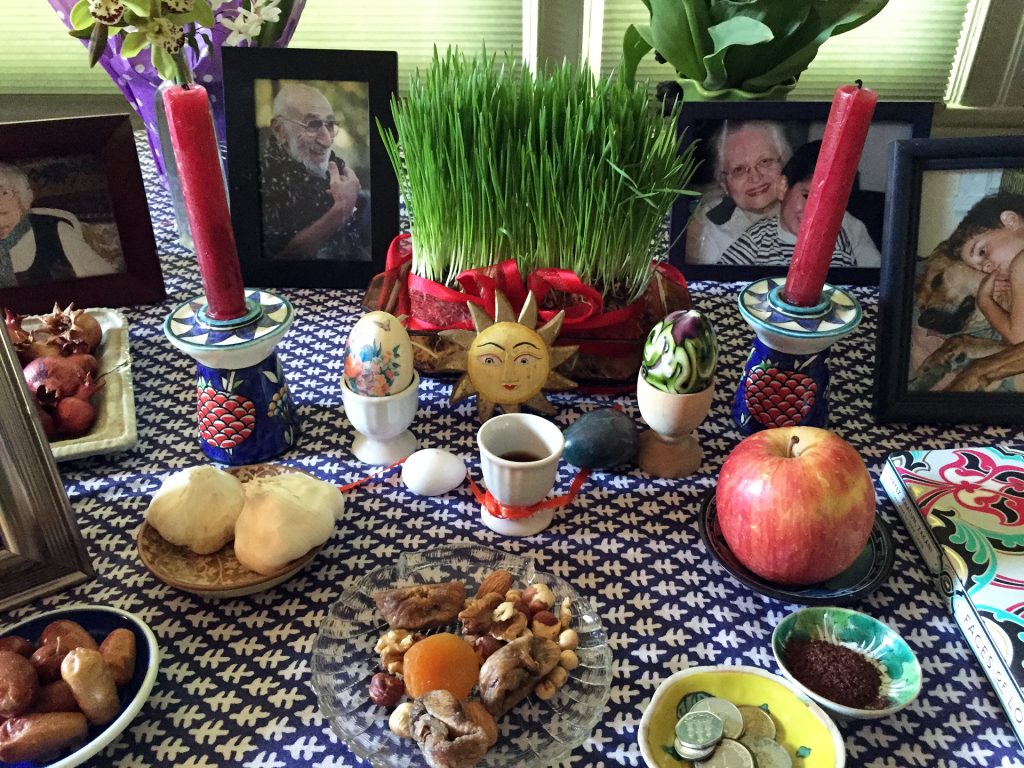
Today or tomorrow, the Iranians celebrate the first day of spring, with a 13 day festival called Norwuz.They traditionally meet together around a table, give gifts. The night before they will light a bonfire and jump over to symbolise moving from sickness (yellow) to red (flame). Think of it as their version of our Christmas, only tied in with the coming of new growth. It also involves a celebration of the new- new clothes for example – and a great big spring clean.
This year, these celebrations will be limited for most people. Travel to family, shopping for new clothes or celebratory items – none of these things are safe when bombs are falling.
So here is a challenge- why don’t we make our own versions of the Haft-sin table? Lets gather this weekend with our friends and raise a glass to those who can not. Let’s read some Hafez and imagine the spice air of Iranian night right in our living rooms.
Do it as an act of solidarity and a sign of resistance, and we should do so with some humility. Remember that the situation in Iran even before the current Netanyahu/Trump war of choice was created by our own empire meddling and swindling. Here is a good summary of this history by George Monbiot;
Iran would not be treated as an “enemy of the west” were it not for what happened in 1953, when Winston Churchill’s government persuaded the CIA to launch a coup against the popular democratic government of Mohammad Mossadegh. The UK did so because Mossadegh sought to nationalise the Anglo-Iranian Oil Company: to stop a foreign power from stealing the nation’s wealth. The US, with UK support, tried twice to overthrow him, and succeeded on the second attempt, with the help of some opportunistic ayatollahs. It reinstated the shah, Mohammad Reza Pahlavi. In 1954, the Anglo-Iranian Oil Company became British Petroleum, later BP.
Fury about the 1953 coup, combined with ever-more vicious repression under the shah’s dictatorship, triggered the revolution of 1979, which was captured by the ayatollahs, with horrible consequences for many Iranians. They would not be running the country were it not for our governments’ violent crushing of democracy for the sake of oil.
Perhaps this Hafez poem might be a good Haft-sin inclusion;
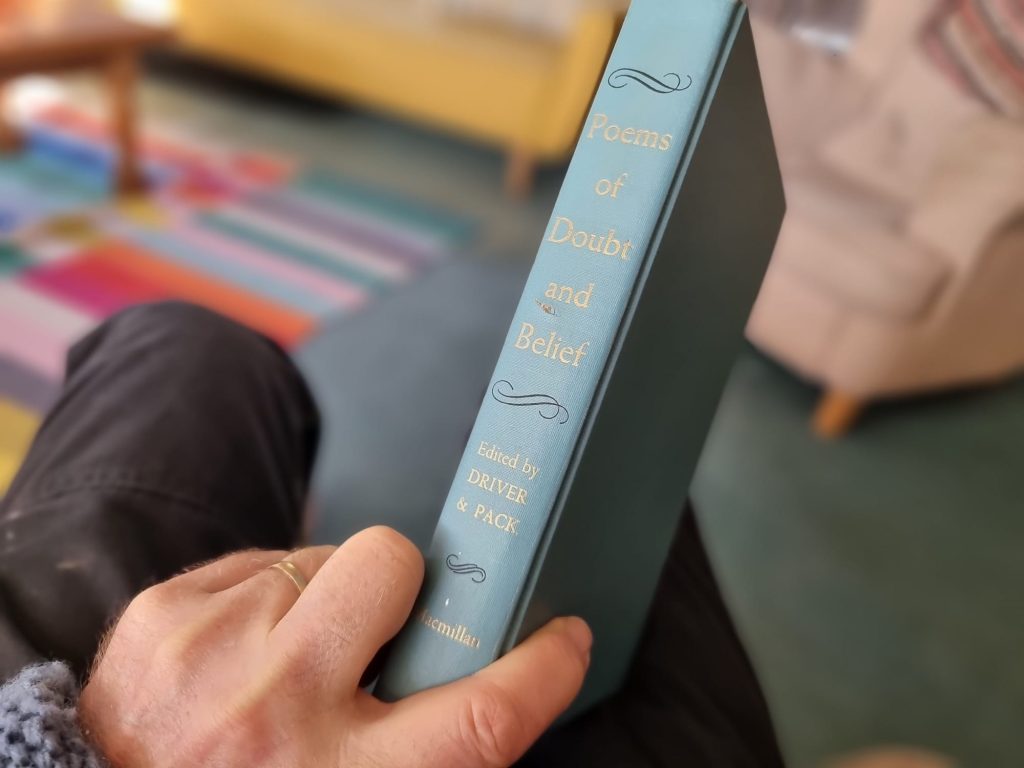
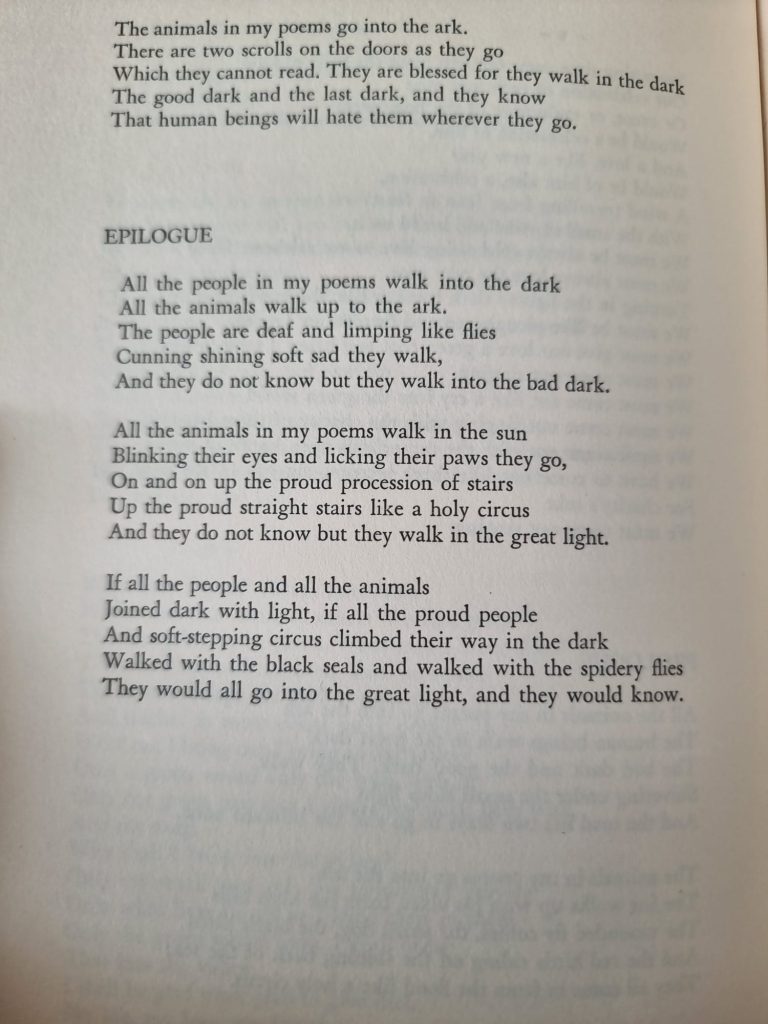
I picked up this book from a pile that were free, otherwise unwanted. I think it was part of a legacy from a previous generation of poety lovers who had passed it to a poetry club I help run. The title of the book immediately reminded me of a chapter in the Proost anthology Learning to Love, which we called faith/doubt. I wondered if someone might pick up that book
Poems of Doubt and Belief was published in 1964. What poems that we are writing now will strike people who pick up a random book in sixty years? What poems from this book might still resonate?
Consider the different worlds. In 1964, poets lived in the shadow of a recent world war. Perhaps they had fought or lost loved ones. The place of religion was so much more central. The wonderful thing is that through this poetry, we are taken not to their place in history, but to the immediacy of their experience, their longings, their yearnings for the divine.
Here is one random section from poem from the book called ‘They come out singing’ by the poet Jon Silkin. I loved it because it seemed to be exploring a path that I would recognise from my own journey into Celtic mysticism. But then again, that might be how I am reading it. Such is poetry.
One of the driving ideas behind this Proost revivial is the idea that we need new stories – particularly those from the margins, told by people whose unique perspective has mostly been ignored. Of course, these new stories might also be ‘old’, in that we also need to listen to the stories that have been forgotten.
Stories shape us, whether we realise it or not. Arguably the dominant stories of our age – economic, spiritual, political – are all starting to loosen their power. This is both an opportunity and a danger. We can hope for better stories, but at the same time, there is a concerted effort by some to insert stories of a much darker kind.
So it is that we see the rise of the politics of hate, backed by the spirituality of division which always seems to favour the economics of empire.
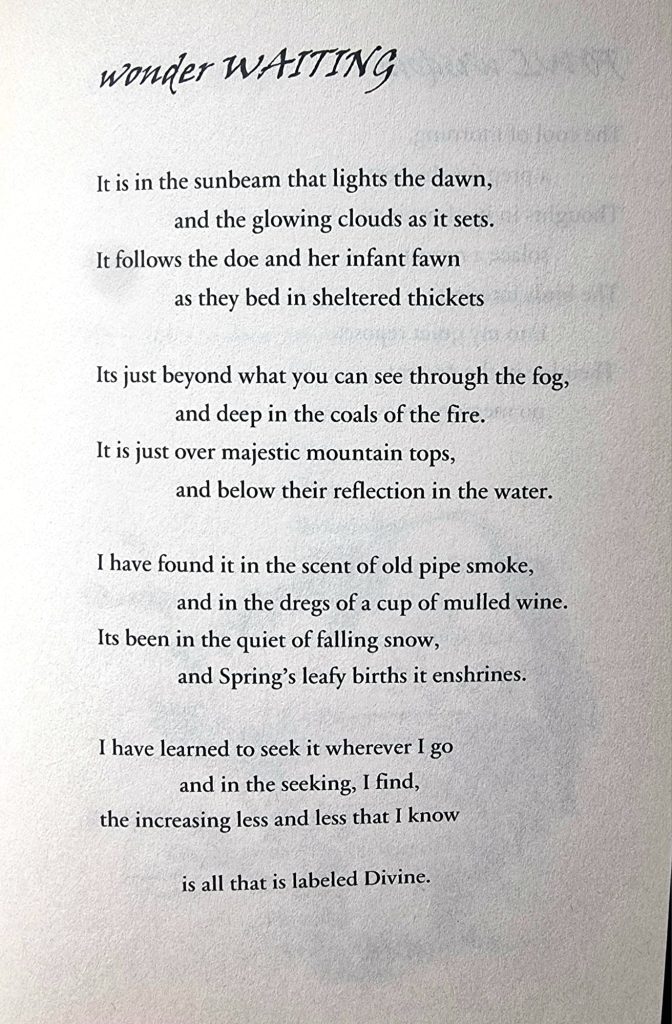
To this end, we offer you two things today. Firstly, a poem by me (Chris) in which I was trying to say the same things.
It takes a story to change the world

War breaks everything
Buildings, bones, beauty
It eats like a starving beast
Indiscriminately
But only stories change the world.

Money buys anything -
Or so it seems at first
Health, hope, houses
Even happiness has its price
But only stories change the world

Power towers above everyone
Empires rise and others fall
Men in suits send men in boots
To kick another door
But only stories change the world

Science solves our problems
Despite the odd unintended consequence
There is no gorge too wide
No ceiling above our blue sky
But only stories change the world
Next some stories from Tawona Sithole, a widely published poet playwright, and short story author. Taxona is from Zimbabwe, and is University of Glasgow’s UNESCO Artist in Residence, as well as a researcher and teacher embedded within the School of Education. Enjoy listening to stories from a different place.
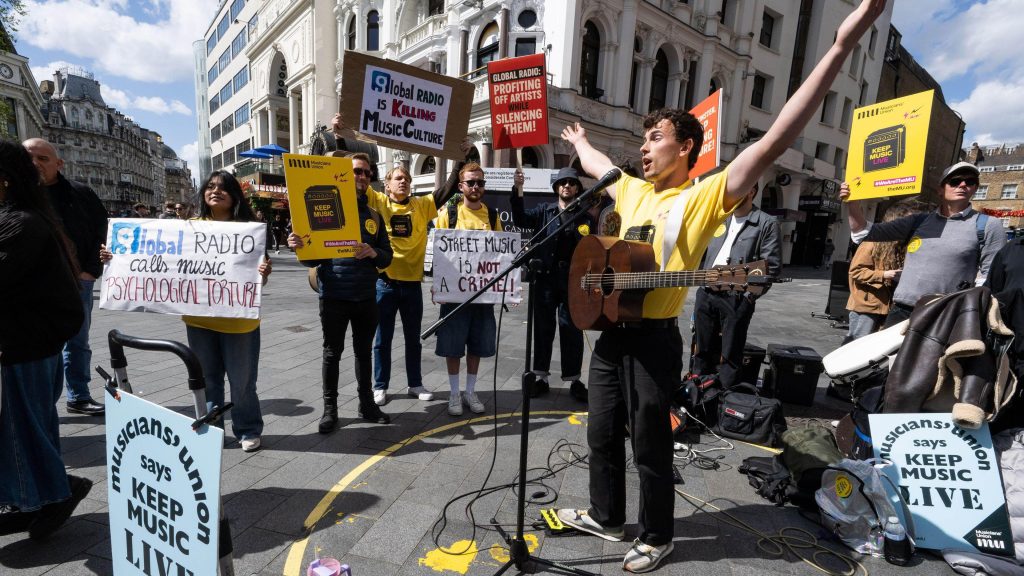
Sunday October 16, 2011. Protesters are preparing to spend their second night camped out in the grounds of St Paul’s Cathedral as part of an anti-capitalist demonstration in London.
Today another piece from Steve Page. We think his writing has grown in stature and impact, and so it is a great pleasure to celebrate this work. Here, Steve imagines a world in which we have all learned, in which we have evolved towards something that instinctively feels right, as if we finally remember that we are the children of the living god.
In the long years of anger, when sadness reached its zenith and the children were lost for words, I looked around me at the plants watered, at the canvases covered, at the manuscripts authored, at the relationships recovered.
I looked and saw that in our pain, we had turned to the crucial, away from the futile. We had become pupils, not of the brutal but of the true communal – our original design, created with hope and with love in mind. And so we had readied ourselves for the light, for the Kingdom that kept to the original divine, a fresh drawn coastline with welcome in mind. A Kingdom without borders, but with beaches and harbours, a Kingdom of refuge, where noone’s a foreigner. A Kingdom where each can rely on a King to rely on and his brand new earth, not pie in the sky or promises broken.
I looked, and I saw what I already knew, that we were past due for change from man’s empty rhetoric, that we were all full-tired of fear-filled hate preach. I looked, and I saw the waiting King, who will speak only truth to those who are listening.
To provide the best experiences, we use technologies like cookies to store and/or access device information. Consenting to these technologies will allow us to process data such as browsing behaviour or unique IDs on this site. Not consenting or withdrawing consent may adversely affect certain features and functions.
Functional
Always active
The technical storage or access is strictly necessary for the legitimate purpose of enabling the use of a specific service explicitly requested by the subscriber or user, or for the sole purpose of carrying out the transmission of a communication over an electronic communications network.
Preferences
The technical storage or access is necessary for the legitimate purpose of storing preferences that are not requested by the subscriber or user.
Statistics
The technical storage or access that is used exclusively for statistical purposes.The technical storage or access that is used exclusively for anonymous statistical purposes. Without a subpoena, voluntary compliance on the part of your Internet Service Provider, or additional records from a third party, information stored or retrieved for this purpose alone cannot usually be used to identify you.
Improving Our Services
The technical storage or access is required to create user profiles to send advertising, or to track the user on a website or across several websites for similar marketing purposes.